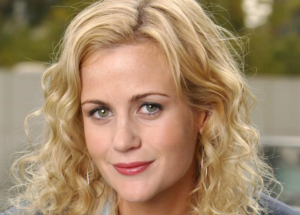
The entertainment world is mourning the loss of a gifted actress whose warmth, emotional intelligence, and quiet authenticity left a profound and lasting impression on audiences across continents. At just 45 years old, her passing has come as a shock to fans and colleagues alike, even as many were aware that she had endured a long and private battle with chronic illness. Best known for her deeply human performances on the Australian drama McLeod’s Daughters and the American procedural NCIS: Los Angeles, she brought sincerity and depth to every role she inhabited. Her family confirmed the news in a brief but heartfelt statement, setting off an immediate wave of grief that rippled through the entertainment industry and online communities around the world. Messages of remembrance, gratitude, and sorrow poured in from viewers who felt they had grown up with her on screen, as well as from fellow actors who described her as kind, grounded, and generous in spirit. While her life was tragically short, her impact was anything but small, defined by years of meaningful work and a genuine connection with audiences that extended far beyond fame.
Born in Sydney, Australia, Rachael Carpani discovered an early love for storytelling and performance, eventually pursuing acting with a seriousness that reflected both ambition and discipline. From the outset, it was clear that she possessed a natural screen presence—one rooted not in flash or bravado, but in emotional honesty. That quality would come to define her career. Her breakthrough role as Jodi Fountain on McLeod’s Daughters introduced her to millions of viewers and cemented her place in Australian television history. Over nearly a decade on the series, she portrayed Jodi’s evolution from a troubled teenager into a resilient young woman with nuance and empathy, making the character one of the show’s most beloved. The role resonated deeply with audiences, particularly younger viewers who saw in Jodi a reflection of their own struggles, growth, and resilience. Carpani’s performance was widely praised for its authenticity, and it remains a defining part of her legacy. McLeod’s Daughters was not just a career milestone for her—it was a cultural touchstone, and her contribution helped shape the emotional core of the series.
As her career progressed, Carpani sought new challenges beyond Australian television, eventually expanding her work internationally. Her move into American television and film marked an important new chapter, one that demonstrated her versatility and determination to grow as an artist. She appeared in a range of projects, including NCIS: Los Angeles, Against the Wall, and the film Triangle, each time bringing the same emotional sincerity that had first endeared her to audiences back home. While these roles were sometimes smaller in scope, they showcased her adaptability and professionalism in a highly competitive industry. She navigated the transition between countries and entertainment systems with quiet confidence, earning respect from collaborators who valued her work ethic and collaborative spirit. For Carpani, success was never about chasing stardom; it was about telling meaningful stories and inhabiting characters with truth. That philosophy guided her choices and shaped a career defined by consistency, integrity, and emotional depth rather than spectacle.
In a statement shared publicly by her sister, the family described her passing as peaceful but unexpected, a loss made all the more painful by its suddenness. They requested privacy as they grieved, asking for space to honor her life away from the spotlight she had navigated for so many years. While the family chose not to disclose specific details about her illness, Carpani herself had spoken openly in the past about facing health challenges. In doing so, she offered encouragement to fans, urging them to listen to their bodies, prioritize their well-being, and seek help when needed. Her willingness to share her experiences fostered a sense of connection that extended beyond her acting work. Many admirers saw her not just as a performer, but as a source of quiet strength and honesty. Her openness helped destigmatize conversations around chronic illness and vulnerability, reinforcing the idea that resilience does not always look loud or dramatic—it can also be gentle, patient, and deeply human.
Following the announcement of her death, tributes flooded social media and news outlets, painting a portrait of a woman whose kindness matched her talent. Former co-stars recalled moments on set marked by laughter, compassion, and professionalism, while fans shared stories of how her work had comforted them during difficult times in their own lives. For many, her portrayal of Jodi Fountain had been more than entertainment; it had been a companion through adolescence, heartbreak, and change. Others spoke of discovering her later work and being struck by the same emotional authenticity that defined her earlier performances. Across these tributes, a consistent theme emerged: she made people feel seen. Whether through a dramatic storyline or a brief on-screen appearance, Carpani had a rare ability to convey vulnerability without artifice. That quality endeared her to audiences and earned her the lasting respect of peers who understood how difficult such honesty can be to sustain in an industry often driven by image and expectation.
Rachael Carpani will be remembered not only for the characters she brought to life, but for the enduring sense of connection she fostered through her work and her words. Her legacy lives on in the episodes rewatched by longtime fans, in the performances that continue to resonate with new audiences, and in the quiet influence she had on those who saw themselves reflected in her stories. While her passing leaves a profound absence, it also highlights the power of a life lived with authenticity and care. In an industry defined by constant change, her work remains a steady reminder of the value of emotional truth. She may be gone far too soon, but the comfort, inspiration, and humanity she shared will continue to echo through the many lives she touched—an enduring testament to a remarkable artist and a deeply missed presence.