The 83rd Golden Globe Awards transformed Los Angeles into a focal point of global entertainment on January 11, 2026, as the Beverly Hilton once again became the stage where cinema, television, fashion, and celebrity culture converged. The Golden Globes have long occupied a unique place in awards season, positioned as both a celebratory kickoff and a bellwether for what may follow at later ceremonies. This year’s event carried particular energy, reflecting a creative landscape marked by experimentation, renewed audience enthusiasm, and a growing appetite for stories that blend emotional depth with visual ambition. Inside the ballroom, anticipation rippled through the crowd as nominees and presenters gathered beneath the familiar glow of chandeliers, while outside, photographers and fans lined the red carpet, eager for the first glimpse of the night’s most memorable fashion statements. The Globes’ reputation for combining prestige with a more relaxed, festive atmosphere was fully on display, allowing stars to appear both polished and playful. As cameras flashed and interviews unfolded, it became clear that the evening would be remembered not only for its winners but for the broader cultural moments it produced—moments that extended from heartfelt acceptance speeches to the visual language of fashion that set the tone for the months of awards ceremonies still to come.
On the awards front, the night reflected a year in which ambitious storytelling and strong performances dominated both film and television. The historical drama Hamnet emerged as one of the evening’s most celebrated titles, taking home the award for Best Motion Picture – Drama and affirming the industry’s ongoing fascination with intimate narratives grounded in history and human emotion. In contrast, One Battle After Another claimed the top prize in the Musical or Comedy category, signaling the continued appetite for films that balance levity with substance. Acting honors further underscored the diversity of talent recognized this year. Jessie Buckley’s win for Best Actress in a Drama highlighted her reputation for emotionally complex performances, while Wagner Moura’s Best Actor in a Drama award acknowledged his commanding screen presence. In the musical or comedy categories, Timothée Chalamet and Rose Byrne were honored for performances that combined charm, timing, and depth. Television awards also reflected a blend of established favorites and emerging voices, reinforcing the medium’s creative vitality. Yet even as trophies were distributed and speeches delivered, it was evident that the Golden Globes are as much about spectacle and cultural conversation as they are about formal recognition, with the red carpet serving as an equally powerful platform for expression.
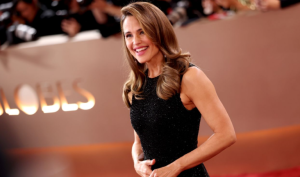
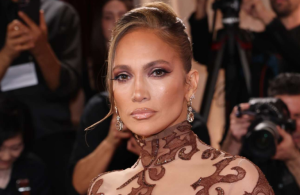
Fashion, as always, played a central role in shaping the night’s narrative, with the red carpet becoming a visual showcase of current trends, personal branding, and artistic risk-taking. This year’s looks leaned heavily into sculptural silhouettes, luxurious fabrics, and bold styling choices that balanced drama with refinement. Teyana Taylor drew widespread attention with a striking ensemble that fused architectural design with fluid movement, embodying confidence and individuality. Tessa Thompson continued her reputation as a fashion risk-taker, opting for a look that blurred traditional lines and emphasized texture and structure. Priyanka Chopra Jonas delivered a statement that combined global glamour with modern elegance, while Jennifer Lawrence’s appearance reflected a more understated sophistication, proving that simplicity can still command attention. Jessie Buckley, fresh from her acting win, reinforced her growing status as a red carpet standout with a look that complemented her artistic sensibility. On the menswear side, Michael B. Jordan and Colman Domingo demonstrated how tailoring can be both classic and expressive, using sharp lines, subtle color choices, and confident styling to elevate traditional formalwear. Together, these appearances illustrated how the red carpet has evolved into a space where fashion is not merely decorative but communicative, conveying identity, mood, and intention.
Several moments on the carpet resonated because they blended fashion with nostalgia and personal storytelling. Selena Gomez’s feathered Chanel ensemble evoked classic Hollywood glamour while incorporating a playful, contemporary twist, reminding audiences of the enduring appeal of timeless design reimagined for a new generation. Julia Roberts, long associated with elegance and restraint, chose a sleek black Armani gown that emphasized clean lines and quiet confidence, reinforcing her status as a style icon whose presence alone can command attention. Couples and coordinated appearances added another layer of interest, with Amal and George Clooney’s complementary looks reflecting both harmony and individuality. Their appearance underscored how fashion can function as a shared language, subtly communicating connection without overshadowing personal expression. Other attendees marked milestones—career achievements, personal triumphs, or simply moments of joy—through their sartorial choices, using color, cut, and accessories to signal celebration or reinvention. These details, often captured in fleeting images, contributed to the emotional texture of the evening, reminding viewers that the red carpet is not only about trends but about the stories people choose to tell about themselves at a given moment in time.
Beyond individual outfits, the broader fashion landscape of the 2026 Golden Globes revealed several emerging themes. Designers appeared increasingly interested in craftsmanship and form, favoring gowns and suits that emphasized structure, draping, and tactile detail over overt embellishment. Jewelry choices leaned toward statement pieces that complemented rather than overwhelmed, while beauty looks balanced polish with individuality, favoring glowing skin, bold lips, or distinctive hair styling. Sustainability and archival fashion also continued to influence red carpet choices, with some stars opting for vintage pieces or designs that emphasized longevity over novelty. This approach resonated with audiences increasingly attentive to the ethics and environmental impact of fashion. The menswear conversation, in particular, reflected a gradual but noticeable expansion of acceptable norms, with color, texture, and unconventional tailoring gaining traction. Collectively, these choices suggested a red carpet culture in transition—one that still values glamour and aspiration but is increasingly shaped by personal values, artistic intent, and a desire to stand out through authenticity rather than excess.
By the end of the evening, the 83rd Golden Globe Awards had left an impression that extended well beyond the list of winners. The ceremony reaffirmed its role as a cultural touchstone, where artistic achievement, personal expression, and public spectacle intersect. While awards recognized the year’s standout performances and productions, it was the combination of fashion, presence, and shared experience that defined the night’s lasting impact. The images from the red carpet circulated widely, sparking conversations about style, representation, and creativity that would continue long after the lights dimmed at the Beverly Hilton. For audiences, the event offered both escapism and inspiration—a reminder of cinema and television’s power to captivate, and of fashion’s ability to articulate mood and meaning without words. As awards season moved forward, the Golden Globes set the tone: celebratory yet reflective, glamorous yet grounded in storytelling. In that balance, the night achieved what the Globes do best, transforming a single evening into a series of moments that linger in collective memory, shaping how the year in entertainment will be remembered.