In the past 24–48 hours, the United States and Israel have carried out a large‑scale air and missile campaign against strategic military and leadership targets inside Iran. The operation, involving coordinated strikes by U.S. and Israeli forces, was described as one of the most significant military actions in the region in decades. It reportedly involved coordinated bombardment of military command centers, missile launch sites, air defenses, Revolutionary Guard facilities, and leadership compounds.
The campaign was widely referred to by U.S. defense officials as “Operation Epic Fury,” and its initial phase reportedly included attacks on more than 30 high‑priority locations across Iran.
Images and video released by U.S. Central Command documented the first 24 hours of these operations, showing fighter jets, naval missile launches, and other military assets engaged in the campaign.
Multiple international and Iranian state media sources have reported that Iran’s Supreme Leader Ayatollah Ali Khamenei was killed in the initial strikes on Iran. Iran’s own state broadcasters confirmed his death and announced a period of official mourning.
Though early reports had some differing details, Iranian state media has since acknowledged Khamenei’s death, marking a historic and unprecedented moment. High‑ranking commanders and senior officials — including members of his family and top Revolutionary Guard leaders — were also reported killed or wounded in the operation.
This development has triggered both internal turmoil in Iran and retaliatory military actions by Iranian forces and their allied groups.
With Khamenei’s death confirmed, Iran has entered a period of political uncertainty. Officials have announced transitional arrangements for leadership, and there are reports from Iranian security authorities urging national unity and warning against division.
The removal of a long‑standing supreme leader has significant geopolitical consequences. Khamenei had led Iran since 1989, consolidating theocratic authority and guiding foreign policy through proxy networks in the region.
International reactions have included concern from world leaders urging restraint to prevent a wider regional war. Some nations have called for ceasefires, while others have condemned or supported aspects of the strikes.
Following the strikes, Iran responded with ballistic missile and drone attacks targeting Israeli cities and U.S. military bases throughout the Middle East, including in Bahrain, Kuwait, Qatar, Saudi Arabia, and the UAE. Air defenses in these areas have intercepted many of the threats, but civilian casualties and injuries have been reported in some locations.
Iran’s retaliation demonstrates how quickly the conflict has escalated beyond the original air campaign, raising fears of a broader regional confrontation. Leaders from many nations are monitoring the situation closely and urging de‑escalation.
Reports from U.S. Central Command indicate that three U.S. service members have been killed and several others seriously wounded amid the ongoing operations, marking the first confirmed American casualties in this conflict.
Iranian casualty figures are higher, with both military personnel and civilians reportedly falling victim to the strikes and subsequent retaliatory attacks. Estimates vary, but hundreds of casualties have been cited by various sources.
The fighting has also resulted in damage to critical infrastructure and increased fear among regional civilian populations, with mass evacuations and readiness alerts in several countries.
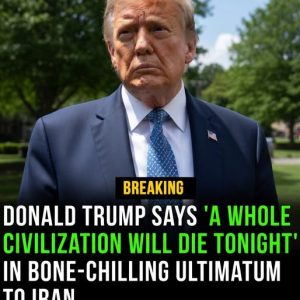
U.S. political leaders, including President Donald Trump, have framed the campaign as aimed at dismantling threats posed by Iran’s leadership and its regional influence. Statements emphasize national security goals, including preventing Iran from advancing nuclear capabilities and supporting proxy militant groups.
While some online posts and quotes circulating may include dramatic language about empowering the Iranian people or urging them to rise up, not all such statements appear in verified transcripts; some may reflect partisan commentary rather than direct official messaging. Verified statements focus on security objectives and ongoing combat operations.
Regardless of rhetoric, it is clear that the conflict has entered a new phase, with implications for global diplomacy, regional stability, and defense postures worldwide.