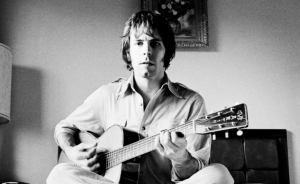
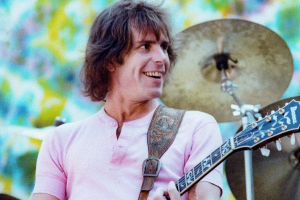
Bob Weir, the legendary founding member and rhythm guitarist of the Grateful Dead, passed away on January 10, 2026, at the age of 78, leaving behind a profound musical legacy that touched generations of fans and artists alike. Weir’s death was announced by his family in a statement on his official social media accounts, which confirmed that he had succumbed to underlying lung issues after previously battling cancer. The statement noted that he transitioned peacefully, surrounded by loved ones, and reflected on a life devoted to music, community, and artistic exploration. Weir’s career spanned more than six decades, during which time his influence expanded far beyond the confines of rock music into the broader cultural fabric of American music and counterculture. His contributions helped transform the Grateful Dead from a local San Francisco group into a global phenomenon whose performances and ethos created a devoted following of fans known as Deadheads.
Born Robert Hall Weir on October 16, 1947, in San Francisco and raised in Atherton, California, Weir found his way into music at an early age. He joined the Warlocks—the band that would soon become the Grateful Dead—when he was just 17 years old, a decision that would set the trajectory for the rest of his life. Early on, his guitar playing and vocal style helped define the group’s sound, characterized by improvisational jams, genre‑blending influences, and a free‑spirited approach to performance. Over the decades, Weir played a central role in writing and singing some of the band’s most beloved songs, such as “Sugar Magnolia,” “One More Saturday Night,” and “Mexicali Blues,” each of which became staples of the Dead’s live shows. His influence extended not just through songwriting, but through his inventive rhythm guitar work, which became a hallmark of the band’s eclectic musical identity.
The Grateful Dead rose to prominence in the 1960s as part of the San Francisco counterculture movement, gaining a reputation for marathon live performances, mutable set lists, and an ethos centered on musical exploration and community. Weir’s role in this era was pivotal; he helped anchor the band’s sound while embracing the improvisational spirit that became its signature. Alongside fellow co‑founder Jerry Garcia, bassist Phil Lesh, and drummers Bill Kreutzmann and Mickey Hart, Weir contributed to a body of work that defied conventional genre boundaries, weaving together elements of rock, blues, folk, jazz, and psychedelia. The Grateful Dead, though never mainstream chart‑toppers, built one of the most dedicated fan communities in music history, known for following the band on tour and helping cultivate a culture that celebrated collective experience, musical spontaneity, and connection.
Weir’s contributions continued long after the original incarnation of the Grateful Dead ended following Garcia’s death in 1995. Rather than retreat from the stage, he went on to explore new musical avenues and collaborations, ensuring the spirit of the band lived on through various post‑Dead projects. This included leading RatDog, participating in Furthur, and co‑founding Dead & Company in 2015 alongside fellow Grateful Dead alumni and guitarist John Mayer. These projects introduced the music to new audiences and kept the legacy alive well into the 2020s. Notably, in 2025, Weir performed at a three‑night celebration in San Francisco’s Golden Gate Park marking the Grateful Dead’s 60th anniversary, an event that served as a fitting capstone to his performing career and a testament to the enduring connection between the music and its fans.
The reaction to Weir’s passing was immediate and heartfelt, with tributes flowing from across the music world and beyond. Fellow musicians—including Dead & Company bandmate John Mayer, jam‑band peers, and artists influenced by his work—expressed their admiration for Weir’s generosity, mentorship, and creative spirit. Fans shared memories of concerts, personal experiences, and the profound impact his music had on their lives, underscoring how his presence extended beyond the stage into people’s personal histories. Contemporary artists praised his warmth and originality, while historians and commentators highlighted his role in shaping the broader landscape of American music. This collective mourning reflected not only the loss of a musician but the passing of a cultural icon whose work helped define an era and whose influence will continue through the generations he inspired.
Bob Weir’s legacy is more than a catalogue of songs or an era of performances—it is the living community of listeners and musicians who carry his spirit forward. His approach to music wasn’t about technical perfection, but about authenticity, emotional depth, and shared experience. Whether playing on major stages, collaborating with younger artists, or performing in smaller, intimate settings, Weir brought a personal, alive presence to every performance. His work became tied to listeners’ memories, friendships, and moments that lasted far beyond the concerts themselves, making the Grateful Dead’s music not just entertainment, but a way of life for many. As fans and fellow musicians reflect on his life, the magnitude of his influence—seen in tribute concerts, stories shared across social platforms, and the continued relevance of his music—underscores a legacy that will endure far into the future.
In remembering Bob Weir, the world honors a musician whose distinctive style and commitment to musical community reshaped American music. From humble beginnings in the Bay Area to stages around the globe, Weir’s life reflected a dedication to creativity, connection, and the power of music to unite people across generations. Survived by his family and remembered by countless fans, his spirit lives on through the songs that define the Grateful Dead’s storied history—and through the millions of listeners whose lives were enriched by his work. While his passing marks the end of an era, the legacy he built will continue to inspire, comfort, and connect people for years to come.