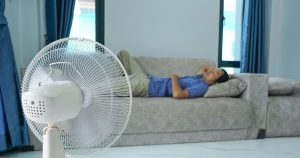
Sleeping with a fan on is a common habit, particularly during warm months or in climates where nighttime temperatures remain high. The steady hum of a fan often doubles as white noise, masking background sounds and helping many people fall asleep faster. The airflow can also create a cooling effect that makes bedrooms feel more comfortable without lowering the thermostat. For some individuals, this combination of sound and air movement becomes an essential part of their sleep routine. However, while fans can provide comfort, they may also introduce subtle disruptions that affect certain people more than they realize. Sleep quality depends on stable breathing, relaxed muscles, balanced humidity, and uninterrupted sleep cycles. When airflow is continuous and directed toward the body for several hours, it can sometimes interfere with these factors. If you frequently wake up feeling worse rather than refreshed, your body may be signaling that sleeping with a fan on does not suit your individual needs. Recognizing these signals can help you make small adjustments that significantly improve overall rest and well-being.
One of the most common signs that a fan may be affecting you negatively is waking up with dryness in your mouth, throat, or nasal passages. Constant airflow accelerates evaporation of moisture from exposed tissues. During sleep, your body relies on moist mucous membranes in the nose and throat to trap irritants, filter particles, and maintain comfortable breathing. When a fan runs all night, especially in already dry air, these tissues can lose moisture and become irritated. You might notice a scratchy throat, hoarseness, or the need to clear your throat frequently in the morning. Some people experience dry mouth despite drinking enough water throughout the day. Others wake with sinus pressure or congestion that seems confusing because moving air feels like it should prevent stuffiness. In reality, excessive dryness can trigger the body to produce thicker mucus as compensation, which may create that blocked sensation. People who sleep with their mouths open, use certain medications that cause dryness, or already have sensitive sinuses may be particularly prone to this reaction. Over time, repeated irritation can contribute to discomfort that affects not only mornings but also daytime energy and focus.
Another sign to pay attention to is waking with neck stiffness, shoulder soreness, or generalized muscle tightness. While it may seem surprising, steady cool airflow directed at the body can influence muscle tension during sleep. Muscles naturally relax when we rest, but exposure to cool, moving air for extended periods may cause slight, sustained contraction as the body works to maintain warmth. This subtle tension can accumulate over several hours. When you wake up, you may attribute stiffness to your pillow or sleeping position, but airflow may be a contributing factor. Individuals who tend to sleep in one position for long stretches or who are sensitive to cold are more likely to notice this effect. The issue is often worse when the fan is aimed directly at the upper body, neck, or face. Even a mild drop in skin temperature can prompt small muscular responses that interfere with full relaxation. If you consistently wake with soreness that improves as the day goes on, experimenting with fan direction or room temperature may reveal whether airflow is playing a role.
Congestion and increased allergy symptoms are another important clue. Fans do more than circulate cool air—they also keep dust, pollen, pet dander, and other airborne particles in motion. Even in rooms that appear clean, microscopic allergens settle on surfaces throughout the day. When a fan runs overnight, it can lift and redistribute these particles repeatedly, increasing the likelihood that you inhale them while sleeping. If you notice sneezing soon after waking, itchy eyes, throat irritation, or more pronounced postnasal drip in the morning, airflow could be aggravating underlying sensitivities. This effect may be stronger during high pollen seasons or in homes with pets. Additionally, if fan blades accumulate dust and are not cleaned regularly, they can become a concentrated source of circulating irritants. For individuals with asthma or chronic allergies, this nightly exposure may subtly worsen symptoms without an obvious cause. Paying attention to whether symptoms lessen when the fan is off for a few nights can provide useful insight into whether air circulation is contributing to the issue.
Feeling tired despite logging enough hours of sleep is another potential indicator. While many people find fan noise soothing, constant airflow and subtle temperature changes can create micro-awakenings—brief shifts in brain activity that you do not consciously remember. Deep sleep stages are essential for physical repair, immune regulation, and memory consolidation. If your body repeatedly adjusts to changes in air temperature or reacts to airflow across exposed skin, you may spend less time in the most restorative phases of sleep. This can result in morning grogginess, difficulty concentrating, or low energy throughout the day. You might assume stress or a busy schedule is to blame, but environmental factors like air movement can quietly influence sleep architecture. Even small fluctuations in comfort can prevent the body from fully relaxing. Some people find that using a fan only during the initial period of falling asleep, rather than all night, preserves comfort without interfering with deeper rest. Observing patterns in how rested you feel after fan-free nights can help clarify whether airflow is affecting your sleep quality.
Dry skin and irritated eyes are additional signs that prolonged air exposure may not be ideal for you. Moving air speeds up moisture loss from the skin’s surface, especially in dry climates or rooms with air conditioning. If you wake with tight, flaky, or itchy skin—particularly on the face or hands—overnight airflow could be contributing. The eyes are also vulnerable. Fans directed toward the face can increase tear evaporation, leading to redness, burning, or a gritty sensation upon waking. Individuals with sensitive skin, eczema, rosacea, or dry-eye syndrome may notice these effects more strongly. While these symptoms may seem minor at first, consistent dryness can weaken the skin barrier and cause ongoing irritation. Fortunately, you do not necessarily need to eliminate fan use completely. Pointing the fan away from your body, using oscillation mode, setting a timer to turn it off after you fall asleep, maintaining good room ventilation during the day, and cleaning fan blades regularly can reduce potential downsides. Ultimately, quality sleep is not just about falling asleep quickly—it is about waking up truly restored. If your body repeatedly signals dryness, stiffness, congestion, or fatigue, adjusting your sleep environment may be a simple yet powerful step toward better rest and overall health.