As we grow older, our bodies undergo gradual yet meaningful changes that influence how we process and respond to food. Metabolism slows, meaning we require slightly fewer calories but often more nutrient density per bite. Digestive efficiency can decline due to reduced stomach acid, slower intestinal motility, or changes in gut microbiota. Muscle mass naturally decreases in a process known as sarcopenia, while bone density may diminish, increasing the risk of fractures. At the same time, the likelihood of cardiovascular disease, type 2 diabetes, cognitive decline, and chronic inflammation rises with age. Because of these shifts, nutrition becomes increasingly important after 60. The foods we choose can either support resilience and vitality or quietly contribute to discomfort and disease progression. Rather than focusing on restrictive dieting, healthy aging emphasizes strategic nourishment—prioritizing foods that deliver fiber, antioxidants, vitamins, minerals, and plant compounds that help protect cells and tissues. Vegetables play a central role in this approach, but even among vegetables, some require moderation while others offer exceptional benefits when consumed thoughtfully and prepared appropriately.
Many dietary patterns associated with longevity—including Mediterranean-style and plant-forward diets—agree on one essential principle: not all foods affect the body the same way in later years. While vegetables are widely considered universally beneficial, individual tolerance can change over time. A digestive system that once handled large salads or acidic foods with ease may become more sensitive. For example, tomatoes, though rich in lycopene and vitamin C, are acidic and can aggravate acid reflux, gastritis, or heartburn in susceptible older adults. Consuming them raw in large quantities may trigger discomfort such as burning sensations or indigestion. Similarly, vegetables like eggplant, corn, and raw cucumber contain fibers and compounds that some aging digestive systems find harder to break down. Corn’s insoluble fiber can pass through partially undigested, potentially causing bloating. Eggplant contains solanine, which may irritate very sensitive individuals. Raw cucumbers, especially with skin and seeds, can contribute to gas or heaviness after meals. These effects are not universal, but they highlight the importance of personal observation and flexibility rather than rigid rules.
The key message is moderation and preparation—not elimination. Cooking methods can significantly improve tolerance and nutrient absorption. Light steaming, roasting, or sautéing softens fiber structures, making vegetables gentler on the digestive tract. Peeling skins, removing seeds, or blending vegetables into soups can also ease digestion. Portion size matters as well; smaller servings spread throughout the day are often better tolerated than large, raw vegetable-heavy meals. Pairing vegetables with healthy fats such as olive oil can enhance the absorption of fat-soluble vitamins like A and K. Combining them with protein sources may also stabilize blood sugar and promote satiety. Paying attention to how your body responds after meals becomes especially important after 60. Mild bloating or reflux may signal the need for adjustments in preparation rather than avoidance. This mindful approach preserves dietary diversity while minimizing discomfort. By adapting cooking styles and serving sizes, older adults can continue benefiting from a wide variety of plant foods without compromising digestive comfort.
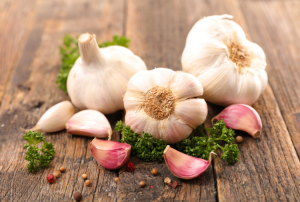
While some vegetables may require moderation, others provide particularly strong support for healthy aging and longevity. Beets, for instance, stand out because of their natural nitrate content, which the body converts into nitric oxide—a compound that helps relax blood vessels and improve circulation. Healthy blood flow supports heart function, brain health, and physical endurance, all of which become increasingly significant with age. Beets are also rich in antioxidants such as betalains, which may reduce oxidative stress and inflammation. Their fiber content aids digestion and supports stable blood sugar levels. Spinach is another powerful ally. High in folate, magnesium, iron, and antioxidants like lutein, spinach contributes to cardiovascular protection and may support cognitive health. However, individuals taking blood-thinning medications should monitor intake of vitamin K–rich greens like spinach and consult healthcare providers for personalized guidance. Garlic, long valued for its medicinal properties, contains allicin and other sulfur compounds that may support immune defenses, help regulate blood pressure, and promote healthy cholesterol levels. Regular inclusion of these vegetables can strengthen the body’s natural protective systems.
Beyond specific vegetables, broader dietary principles strongly influence health after 60. Research consistently supports eating a diverse range of colorful vegetables to maximize micronutrient and antioxidant intake. Leafy greens and cruciferous vegetables such as broccoli and cauliflower provide compounds linked to reduced cancer risk and improved detoxification processes. A balanced plate should also include legumes for plant-based protein and fiber, fruits for additional phytonutrients, whole grains for sustained energy, and quality protein sources to preserve muscle mass. Limiting ultra-processed foods high in sodium, added sugars, and unhealthy fats becomes increasingly important because aging bodies may be less efficient at managing excess salt and blood glucose fluctuations. Adequate hydration is another foundational habit; thirst sensation can decline with age, making intentional water intake essential for kidney function, digestion, and cognitive clarity. Rather than focusing solely on single “superfoods,” long-term consistency in these habits provides the greatest protective benefit.
Practical implementation makes healthy eating sustainable. Adding vegetables such as broccoli, spinach, beets, and garlic to meals several times per week can be as simple as blending spinach into omelets, roasting beets with olive oil, sautéing garlic with greens, or incorporating cruciferous vegetables into soups and stews. Potentially harder-to-digest vegetables can still be enjoyed in smaller portions and cooked forms. Including a spectrum of colors—deep greens, vibrant reds, bright oranges, and purples—helps ensure a broad range of nutrients. Nutrition works best when combined with other healthy lifestyle pillars: regular physical activity to maintain muscle and cardiovascular strength, restorative sleep to regulate inflammation and hormones, stress management, and routine medical checkups to monitor blood pressure, glucose, and nutrient levels. After 60, nutrition becomes one of the most powerful tools for preserving independence and vitality. By selecting vegetables that nourish the body while moderating those that may cause discomfort, older adults can protect heart and brain health, support digestion, sustain energy, and embrace aging with greater confidence and balance.