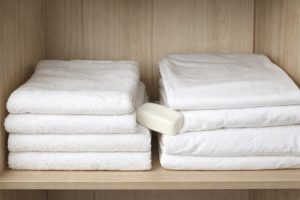
For generations, long before aerosol sprays, scented sachets, plug-ins, and chemical deodorizers became household staples, people relied on simple, practical methods to keep their homes fresh. One of the most quietly effective of these methods was placing a bar of soap in the linen closet. At first, the idea may sound odd or outdated, especially in a world overflowing with products designed specifically for odor control. Yet this humble trick has endured precisely because it works. Linen closets are unique spaces: they are closed off, often packed tightly, and rarely aired out. Sheets, towels, pillowcases, and blankets may sit untouched for weeks or months, quietly absorbing the environment around them. Even freshly laundered linens can develop a stale or musty smell over time, leading people to assume they need to be washed again. In reality, the issue is often not cleanliness, but storage. A bar of soap, placed thoughtfully among folded fabrics, addresses this problem at its source. It does so gently, continuously, and without relying on harsh chemicals or overpowering fragrances. This is not a decorative habit or a superstition passed down without reason—it is a practical solution rooted in observation, chemistry, and lived experience.
To understand why this method works so well, it helps to understand why linen closets develop odors in the first place. These closets are typically enclosed spaces with limited airflow, especially in homes where doors remain closed most of the time. Linens themselves, even when clean, retain trace amounts of moisture, natural body oils, and detergent residue within their fibers. Changes in humidity throughout the year can worsen the issue, particularly in damp or coastal climates. Wooden shelving can absorb odors and release them back into fabrics, creating a lingering mustiness that seems impossible to eliminate. Over time, all of these factors combine to create a stale smell that doesn’t necessarily indicate dirt, but stagnation. Soap addresses several of these issues at once. It naturally releases mild fragrance compounds into the surrounding air, helping neutralize odor-causing particles rather than simply masking them. Unlike sprays that deliver a burst of scent and then fade, soap works slowly and consistently. It also absorbs a small amount of moisture from the air, helping reduce the damp conditions that encourage musty smells. In essence, the soap quietly refreshes the environment of the closet itself, which in turn keeps the linens smelling clean.
This practice endured for decades because people saw real results. Grandparents and great-grandparents did not place soap among their linens out of habit alone; they did it because they noticed that their sheets smelled fresher, their towels stayed pleasant longer, and their closets never developed that stale, closed-in odor. These observations were passed down not through instruction manuals or advertisements, but through everyday routines. There was no need to explain why it worked when the outcome was obvious. This generational wisdom was later overshadowed by modern convenience products that promised faster, stronger, and more noticeable results. However, those products often introduced new problems: overwhelming scents, skin irritation, chemical residues, and the need for constant replacement. Soap, by contrast, offered a low-maintenance solution that blended seamlessly into daily life. It didn’t compete for attention or announce its presence; it simply did its job. In many ways, this quiet effectiveness is why the trick feels almost “genius” today—it solves a common problem without creating new ones.
An added benefit that many people don’t realize is soap’s ability to discourage certain household pests. Insects such as moths and silverfish are drawn to natural fibers, especially when they are stored for long periods. Traditional soaps, particularly those made with simple ingredients and mild scents, emit compounds that many insects find unpleasant. While a bar of soap is not an insecticide and should not be relied upon as pest control, it can make a linen closet less inviting to unwanted visitors. This is one reason earlier generations favored soap over mothballs, which are effective but release strong, toxic fumes. Soap offered a gentler alternative that protected fabrics without exposing the household to harsh chemicals. Choosing the right soap matters. Plain white bar soaps or lightly scented varieties such as lavender, ivory, or fresh cotton work best. Heavily fragranced novelty soaps can transfer too much scent to fabrics, which some people may find overpowering. The goal is subtle freshness, not perfume.
Using soap in a linen closet is remarkably simple. One or two bars are usually enough for an average-sized closet. They can be left unwrapped or loosely wrapped in a thin cotton cloth if you prefer a lighter scent. Place them between folded towels, on shelves near sheets, or tucked into corners where airflow is limited. There is no need for precise placement or special containers. Over time, the soap will slowly release its scent and absorb moisture from the surrounding air. When the fragrance fades—usually after two or three months—the bar can be replaced or repurposed for regular use. Compared to commercial sprays and sachets, this method is cost-effective, low-effort, and gentle. Many store-bought products mask odors rather than eliminating them, lose effectiveness quickly, or contain synthetic chemicals that irritate sensitive skin. Soap offers a continuous solution that works quietly in the background. The scent that transfers to linens is subtle and clean, often described as the smell of freshly aired fabric rather than soap itself.
There is something deeply satisfying about solutions that don’t require constant purchasing, complicated instructions, or ongoing maintenance. Placing a bar of soap in your linen closet costs almost nothing, takes seconds to do, and improves your daily life in a small but meaningful way. Opening the closet door to fresh-smelling towels and sheets changes how your home feels, reinforcing a sense of cleanliness, comfort, and care. This is one reason people are rediscovering this practice today. Rising costs, chemical sensitivities, and a growing interest in simpler living have renewed appreciation for traditional home wisdom. What was once dismissed as old-fashioned is now recognized as practical and sustainable. Putting a bar of soap in your linen closet isn’t clever because it’s trendy—it’s genius because it works naturally, consistently, and without effort. Sometimes the smartest solutions are the ones we already have, quietly waiting on a shelf, just like that bar of soap.