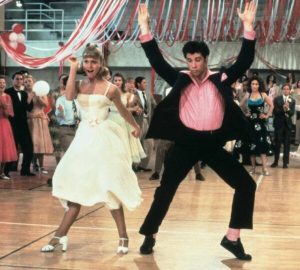
Few films in cinematic history have captured the spirit of teenage romance, high school drama, and unforgettable music quite like Grease. Released in the summer of 1978, the film quickly became a cultural phenomenon and remains one of the most beloved musicals of all time. Even for those who haven’t watched it in full, the songs, dance moves, and characters have left an indelible mark on popular culture. Tracks like “You’re the One That I Want,” “Summer Nights,” and “Greased Lightnin’” are instantly recognizable, played at parties, talent shows, and karaoke nights across the world. At the heart of this story is the magnetic pairing of Danny Zuko, played by a young John Travolta, and Sandy Olsson, portrayed by Olivia Newton-John. Their summer romance, filled with innocence, excitement, and youthful longing, captures the essence of first love, and Danny’s leather jacket, slicked-back hair, and effortless charm made hearts skip a beat worldwide. He embodies the archetype of the “bad boy with a heart,” a character who is simultaneously roguish and romantic, making him an unforgettable figure in cinematic history.
The plot of Grease is deceptively simple yet endlessly captivating, opening with the iconic summer fling between Danny and Sandy against the sun-soaked backdrop of a California beach. The pair share moments of laughter, flirtation, and tender connection, instantly creating a love story audiences root for. However, the idyllic summer ends, and reality intervenes—Sandy returns to Australia, leaving Danny to assume their romance has concluded. The story gains momentum when Sandy unexpectedly reappears at Rydell High, where Danny attends school. Here, the carefree days of summer clash with the social hierarchies, peer pressures, and cliques of teenage life. Determined to maintain his “cool guy” image with his friends and the T-Birds, Danny pretends their romance never happened, but his feelings for Sandy are undeniable. Beyond a simple teenage love story, this dynamic reflects deeper themes of identity, social conformity, and personal growth. Danny’s struggle to reconcile his public persona with private emotions resonates with viewers across generations, while Sandy’s journey—navigating social norms without compromising her integrity—offers a nuanced portrayal of femininity, self-expression, and personal strength.
Music is the lifeblood of Grease, elevating the story into a timeless classic. Composed by Jim Jacobs and Warren Casey, the songs combine rock ‘n’ roll energy with theatrical flair, ensuring they remain a staple of popular culture. “Summer Nights” captures the playful tension between male and female perspectives on a fleeting summer romance, while “Greased Lightnin’” reflects Danny’s desire to project confidence and coolness. Perhaps the most iconic number is the finale, “You’re the One That I Want,” whose infectious rhythm and electrifying choreography encapsulate the story’s joy, tension, and romance. This song has transcended generations, appearing in commercials, talent shows, and dance competitions worldwide. The enduring popularity of the music reflects not only its infectious energy but also the brilliance of the performances, proving that Grease is as much a celebration of sound and movement as it is of storytelling.
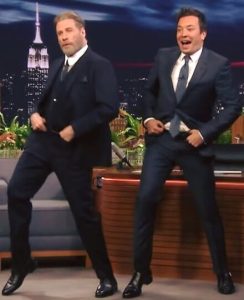
John Travolta’s portrayal of Danny Zuko is central to the film’s enduring appeal. Already gaining attention from the television series Welcome Back, Kotter, Travolta was propelled to international stardom by Grease. His combination of charm, physicality, and comedic timing made Danny Zuko unforgettable. Travolta’s dance moves, confident swagger, and charismatic vocals brought vitality to every scene, and he meticulously prepared for each musical number. During a 40th-anniversary appearance on The Tonight Show with Jimmy Fallon, Travolta revealed how he contributed to the choreography of “You’re the One That I Want” by suggesting the now-famous “four corners” step, inspired by novelty dances from his youth. Demonstrating the move decades later, Travolta reminded audiences of the skill, creativity, and charisma that defined his performance, proving that some stars truly never lose their shine.
The choreography of Grease was groundbreaking, blending meticulously planned routines with a sense of spontaneity and fun. Travolta’s dance background, combined with the cast’s energy, brought each scene to life. From the gym sequences to the climactic finale, every number was designed to captivate audiences visually and emotionally. The “hand jive” sequence became a global sensation, inspiring countless recreations at parties, weddings, and theatrical performances. Beyond pure entertainment, the dance sequences influenced a generation of performers, blending 1950s rock ‘n’ roll styles with contemporary flair. Watching Travolta move on screen remains a masterclass in timing, rhythm, and expression, demonstrating the lasting impact of Grease on both popular and performance culture. Behind the scenes, the cast endured grueling rehearsals and physically demanding shoots, often performing multiple takes under the Californian sun. Despite these challenges, the camaraderie and shared enthusiasm among the actors contributed to the film’s infectious energy and enduring charm.
Fashion and style are equally central to the cultural legacy of Grease. Danny Zuko’s leather jacket, slicked-back hair, and casual jeans became emblems of 1950s cool, while the T-Birds’ coordinated jackets signaled camaraderie and rebellion. The Pink Ladies’ pastel jackets and matching outfits highlighted playful femininity and added visual flair. These costume choices reinforced character identities and connected audiences to the story on both visual and emotional levels. Beyond the screen, Grease influenced modern fashion trends, inspiring the continued popularity of leather jackets, high-waisted skirts, and classic sneakers. Costume designers combined period accuracy with cinematic style, creating ensembles that remain iconic decades later. The film’s fashion and style choices continue to resonate, reinforcing its broader influence on pop culture and design aesthetics.