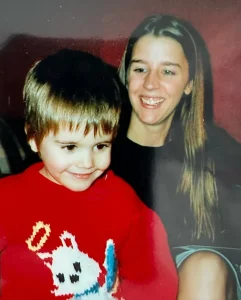
In a deeply personal interview, Pattie Mallette, the mother of global pop star Justin Bieber, opened up about the hardships that shaped her life long before fame ever entered the picture. Long before red carpets, sold-out arenas, and international recognition, Mallette was a young girl growing up under the weight of trauma. As a teenager, she endured years of sexual abuse, an experience she later described with honesty and vulnerability in her memoir, Nowhere But Up. The abuse left lasting emotional scars, including deep feelings of shame and misplaced self-blame—emotions she has said many survivors struggle to carry in silence. For years, she felt isolated and unheard, believing her pain defined her worth. Her story is not one of instant healing, but of long endurance through suffering that few around her fully understood at the time.
As Mallette entered her teenage years, the unresolved trauma took a heavy toll on her mental and emotional health. She has spoken openly about falling into depression and experimenting with substances as a way to numb the pain she did not know how to process. Eventually, the weight of everything she carried became overwhelming. Looking back, she described that period as a breaking point—a moment when despair felt louder than hope. Importantly, Mallette has emphasized that this was not a desire to end life itself, but an expression of how lost and exhausted she felt after years of untreated trauma. With time, counseling, and reflection, she has come to understand that moment not as a failure, but as a signal that she needed help and healing. Her willingness to speak about that dark chapter has helped many others feel less alone in their own struggles.
At just 17 years old, Mallette’s life changed again when she discovered she was pregnant. The news came with fear, uncertainty, and intense pressure from those around her to terminate the pregnancy. She has recalled feeling overwhelmed by the responsibility and unsure of how she would survive emotionally or financially as a young, single mother. Yet despite the fear, she made a decision that would shape the rest of her life. “I didn’t know how I would manage,” she later said, “but I knew I had to give him a chance.” That decision was not made from confidence or certainty, but from a quiet resolve to choose life when she herself had once felt life slipping away. It was, by her own account, the first moment she felt purpose begin to replace despair.
When Justin was born, Mallette describes the moment as transformative. She recalls hearing his first cry and feeling something shift inside her—something that had been broken slowly begin to mend. “It sounded like music,” she said. “It was the most precious sound I’d ever heard.” Becoming a mother did not erase her pain or struggles overnight, but it gave her a reason to keep going. Raising Justin as a single parent was difficult. There were financial hardships, moments of exhaustion, and lingering emotional wounds. Still, Mallette poured herself into motherhood, determined to give her son the love, protection, and encouragement she had once lacked. She often credits faith and community support as pillars that helped her remain steady during those early years.
As Justin grew, Mallette recognized his passion for music early on. She supported his talent despite limited resources, encouraging him to sing, perform, and share his voice. She uploaded videos of him singing online—not with the expectation of fame, but simply to nurture something joyful in her son. What followed was a path few could have imagined: discovery, rapid success, and worldwide fame. As Justin’s career skyrocketed, Mallette watched her son navigate pressures she knew all too well—the weight of expectations, scrutiny, and identity struggles. Throughout it all, she remained grounded in the belief that her greatest role was not managing his success, but loving him unconditionally and reminding him of who he was beyond the spotlight.
Mallette’s journey—from trauma and despair to raising one of the world’s most famous artists—stands as a powerful testament to resilience, faith, and the long, difficult work of healing. Her memoir does not frame her life as a fairy tale, nor does it suggest that one decision magically solved everything. Instead, it offers a raw and honest look at how strength is often built slowly, through daily choices to keep going. Today, Mallette uses her voice to advocate for survivors, mental health awareness, and compassion for young women facing unplanned pregnancies. Her story serves as a reminder that life can emerge from the darkest circumstances, and that choosing hope—even when it feels fragile—can change not only one life, but generations to come.