The next morning, Grandma’s attorney confirmed every document was genuine. He also discovered something worse: my parents had already contacted a developer before offering me the dollar. Once confronted with the evidence, they stopped demanding the farmhouse. Dad eventually apologized, admitting he’d convinced himself that because I was the youngest, I shouldn’t control something belonging to generations of our family. I reminded him that Grandma hadn’t chosen by age or birth order. She’d simply watched who showed up when the farmhouse needed saving.
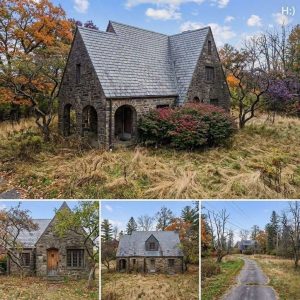
Months later, Mark and I restored Grandma’s old bedroom. Greg repaired the remaining floorboards, and we framed Ruth’s letter above her wooden desk. Eventually, my parents returned—not as owners, but as guests. Dad stood overlooking the restored fields and admitted the property looked better than it had in decades. That evening, I returned the rusty tin to its hiding place, not because its secret still needed protecting, but because it had become part of the home’s history. My parents wanted the farmhouse for one dollar so they could sell it. Grandma left it to me because she knew its true value wasn’t what someone would pay for it—it was who cared enough to keep it standing.


This Post Has One Comment