If several cases appear near clothing or carpets, it’s worth checking natural materials such as wool, silk, fur, and feathers for signs of insect activity. Small holes, shed skins, or additional cases hidden among fabrics could suggest that more larvae are present. Usually, the simplest response begins with cleaning. The case can be removed with a tissue or vacuum, followed by thorough vacuuming around baseboards, underneath furniture, inside closets, and anywhere lint, hair, or dust has been allowed to accumulate.
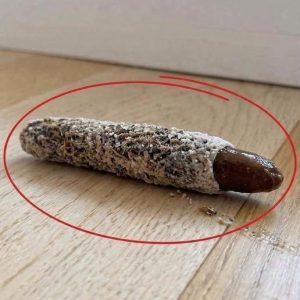
Still, identifying the exact insect from its protective case alone isn’t always possible. Several insects can construct coverings with similar appearances, so a clear photograph or professional identification may be useful when cases repeatedly appear. What makes the discovery fascinating is how easily such a tiny creature can exist unnoticed alongside people. By combining silk with ordinary household particles, the larva creates both a shelter and camouflage, turning the debris around it into protection. So the next time a strange tube-shaped speck appears near a wall, it may deserve a closer look before being swept away. What seems like meaningless dust could actually be a miniature mobile home—and a glimpse into an insect’s remarkably clever survival strategy.



This Post Has One Comment