A tragic aviation accident in Honduras claimed the lives of twelve people, including internationally recognized Garifuna musician Aurelio Martínez. The crash occurred shortly after takeoff from Roatán Island on Monday, when a Lanhsa Airlines aircraft went down just off the island’s coast. According to the Honduran transport ministry, the plane had been carrying three crew members and fourteen passengers, though local police later confirmed twelve fatalities, among them two children, a French national, and a U.S. national. The scheduled destination was La Ceiba, a city on the Honduran mainland. As initial reports emerged, police and fire officials described a chaotic but urgent rescue operation, emphasizing the difficulty of navigating the crash site so soon after the accident.
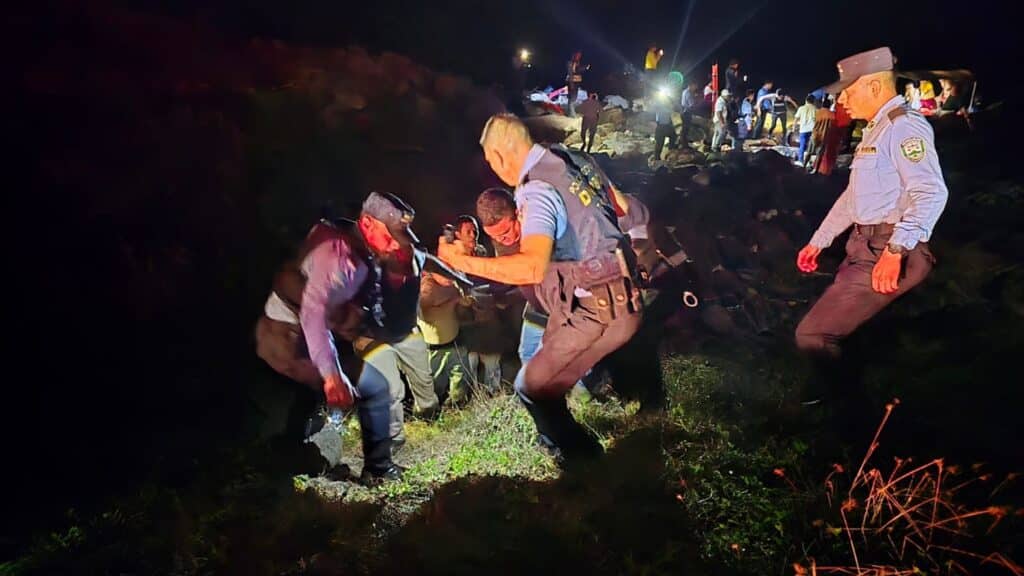
Images from the scene revealed a grim picture: emergency personnel working by torchlight late into the night, recovering bodies from the water. Roatán, known for its coral reefs and popularity among tourists, became the unexpected center of a national tragedy. Fire chief Franklin Borjas stated that adverse weather conditions—rough seas, poor visibility, and strong currents—significantly complicated rescue and recovery efforts. Despite the challenges, firefighters and rescue workers continued to search for victims, with authorities confirming that one individual remained unaccounted for during the early phases of the operation. The combination of darkness, weather, and ocean conditions heightened the emotional and logistical strain on first responders.
The crash prompted an immediate response from Honduran President Xiomara Castro, who activated the Emergency Operations Committee (COE). This multi-agency team includes the Honduran Fire Department, Armed Forces, COPECO (the Permanent Commission of Contingencies), National Police, the 911 emergency service, the Red Cross, the Ministry of Health, and the civil aviation authority SAN. Castro announced that these units had already reached the site, located approximately one kilometer from the Roatán International Airport. Her swift mobilization order signaled the seriousness of the situation and the government’s determination to provide the highest level of emergency support possible, both at the crash scene and in medical facilities prepared to receive survivors.
President Castro also emphasized the importance of providing prompt medical care for any injured passengers. She noted that hospitals in San Pedro Sula and La Ceiba were prepared to accept casualties for immediate treatment. Although early reports indicated that most individuals aboard the aircraft had perished, authorities remained vigilant, maintaining medical readiness in case survivors were located during the ongoing search. Castro’s public statement conveyed both sorrow and resolve, ending with a prayer for the preservation of human life. This communication helped reassure the nation that the government was responding comprehensively while acknowledging the emotional toll of the disaster.
The loss of Aurelio Martínez added a significant cultural dimension to the tragedy. Known for his contributions to Garifuna music—a tradition recognized by UNESCO for its cultural importance—Martínez was a central figure in preserving and promoting the musical heritage of Afro-Indigenous communities along the Caribbean coast. His death was felt not only in Honduras but throughout the international music community, where he was widely respected for his artistry and dedication to Garifuna cultural preservation. The presence of children and foreign nationals among the victims further intensified the sense of heartbreak, marking the incident as both a national and international tragedy.
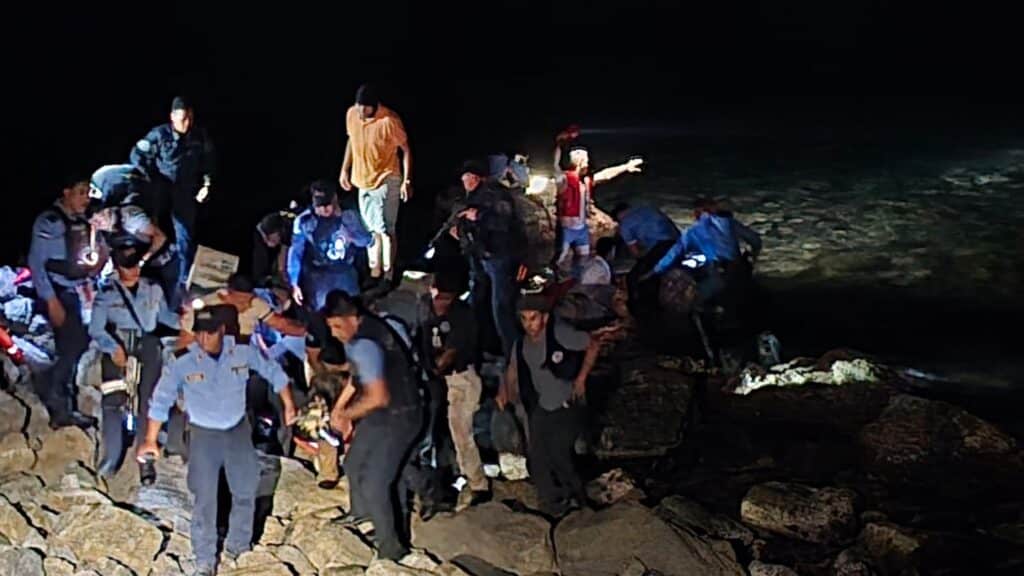
As recovery efforts continued, investigators began preparing for the next phase: determining what caused the aircraft to crash so abruptly after takeoff. Although no official cause was immediately announced, the poor weather conditions described by rescuers suggested that environmental factors may have played a role. Attention also turned to Lanhsa Airlines, whose small regional flights connect mainland Honduras with island destinations like Roatán. Aviation authorities will likely examine maintenance records, pilot communication logs, and weather reports to identify contributing factors. For now, Honduras remains in mourning as emergency crews work tirelessly to bring closure to families and gather the information needed to understand how such a devastating incident occurred.






