They were holding an envelope containing twelve hundred dollars. Sabine’s bakery had collapsed with only three weeks left before her wedding, and suddenly my family needed the person who always fixed everything. My mother pressed her hands against the gate and said the truest sentence anyone in my family had ever spoken to me: “We knew you’d be here.”
I stood on the other side of the fence and told them no. There would be no emergency cake, no midnight rescue, no abandoning my own celebration because someone had finally remembered what I could do. Then I walked back inside, returned to my guests, and danced. Sabine’s wedding went ahead with sheet cakes from a supermarket in Paso Robles. From everything I heard, they were perfectly fine. Nothing collapsed. Nobody went hungry. The world kept turning without me carrying it.
What surprised me was Sabine herself. In October, she came to my bakery, sat at the corner table, and asked me why nobody had ever paid me for all those years of work. She genuinely hadn’t known. She was twenty-three and horrified when she learned how her family had treated me. I didn’t blame her for something she hadn’t understood. Instead, we talked for hours. She has returned to my bakery every other Saturday ever since. Meanwhile, the lost accounts gradually came back, and two new ones arrived within the year.
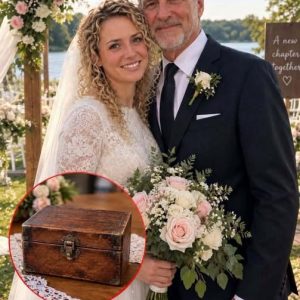
My father died the following spring. He never apologized, but three days before he died, he asked Beckett whether I had a good life. Beckett told him yes. I decided that was enough. My mother and I now meet for coffee once a month and talk about small, ordinary things. On the wall of my bakery hangs a photograph from that August evening: me sitting at my own wedding table, laughing, with a plate in front of me that I didn’t make. It reminds me of the lesson I spent eleven years learning. Being useful is not the same as being wanted. And I will never confuse the two again.


This Post Has One Comment