After Farrah died in 2009, Redmond’s struggles did not disappear. Instead, his life continued through a painful cycle of addiction, arrests, rehabilitation attempts, and psychiatric treatment. The support and protection his mother had tried to provide could no longer shield him from the consequences of his behavior. His personal problems became increasingly public, and each new incident seemed to demonstrate just how difficult his battle had become. For many people watching from the outside, it was impossible to separate the adult Redmond from the troubled child who had grown up in the shadow of two famous and complicated parents.
Years later, Redmond appeared in court in an image that shocked people who remembered his mother as the glamorous star of Charlie’s Angels. He had distinctive tattoos, including devil horns on his forehead and words expressing his anger toward life. Shackled and facing serious legal consequences, he looked dramatically different from the child Farrah had once fought so hard to protect. The courtroom images created a powerful reaction. Some people saw only the crimes and the frightening appearance, while others saw a deeply damaged person whose life had been shaped by years of addiction, trauma, and family dysfunction.
His story also reopened questions about Farrah’s relationship with her son. She had never stopped loving him, even when his behavior frightened and exhausted those around him. Her efforts to help included supporting treatment and attempting to create safeguards for his future. Yet love could not erase addiction, and a mother’s devotion could not make every destructive decision disappear. Farrah could give Redmond opportunities, protection, and support, but she could not live his life for him. That painful reality made her final years especially heartbreaking for those who followed their story.
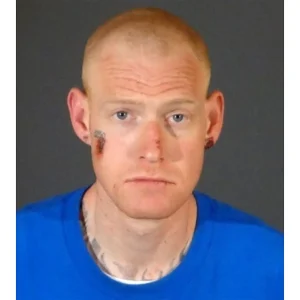
Today, the story of Farrah Fawcett and Redmond O’Neal remains one of Hollywood’s most complicated family tragedies. Farrah is remembered for her beauty, career, and cultural impact, but her private life revealed a mother struggling with something fame could never fix. Redmond became a symbol of how wealth, celebrity, and family connections cannot necessarily protect someone from addiction or emotional devastation. His courtroom appearances left people divided between fear, judgment, and compassion. And behind all of it remains the image of a mother who continued worrying about her son until the end—a reminder that sometimes the deepest love in a person’s life can exist alongside the most painful helplessness.