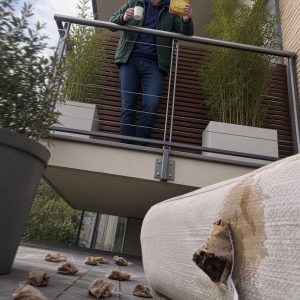
For generations, toilet paper has been treated as an unquestioned necessity of modern hygiene, a simple household product so routine that its origins, costs, and consequences rarely enter everyday thought. It sits in bathrooms across the world as a symbol of convenience—soft, disposable, and instantly replaced when finished. Yet beneath this apparent simplicity lies a complex global system of resource extraction, manufacturing, transportation, and waste that carries a significant environmental footprint. As climate awareness grows and sustainability becomes a central concern in consumer behavior, even the most ordinary habits are being reevaluated. What once seemed like an invisible part of daily life is now being examined with new scrutiny, revealing that the convenience of toilet paper may come at a much higher cost than previously acknowledged. This shift in awareness is not merely about swapping one product for another; it represents a broader cultural reconsideration of how comfort, cleanliness, and environmental responsibility intersect in the modern world.
The environmental impact of toilet paper begins long before it reaches the home. Traditional production relies heavily on wood pulp, meaning trees must be harvested, processed, and converted into paper through energy-intensive industrial methods. This process requires vast quantities of water, electricity, and chemical treatments to achieve the softness and strength consumers expect. In addition, large-scale manufacturing facilities contribute to carbon emissions through both production and transportation networks that distribute the final product globally. When multiplied by billions of users worldwide, the scale of resource consumption becomes staggering. Forest ecosystems are affected not only by logging but also by the loss of biodiversity and the disruption of natural carbon absorption systems. Even recycled paper products, while more sustainable than virgin pulp, still require significant energy and water inputs. Beyond production, the disposal phase adds another layer of environmental strain, as flushed paper enters wastewater systems that must be processed, filtered, and treated. While modern sewage infrastructure manages this efficiently in many regions, it still represents a continuous flow of resource expenditure tied directly to a habit that lasts only seconds. When viewed holistically, toilet paper becomes less of a simple convenience and more of a recurring environmental cost embedded into everyday life.
In response to these concerns, many people are turning their attention toward water-based hygiene solutions, most notably bidets and integrated cleansing systems. Unlike paper-based methods, these systems use controlled streams of water to clean the body more thoroughly and with significantly less waste. In many parts of the world, particularly across Asia, the Middle East, and parts of Europe, water-based cleaning has long been the standard rather than the alternative. The gradual adoption of bidet attachments in Western households reflects a growing openness to rethinking traditional norms. Modern bidet devices are designed to be accessible, with easy installation that often requires no major plumbing changes. They range from simple mechanical attachments to advanced electric models with adjustable pressure, temperature control, and self-cleaning features. Beyond environmental benefits, many users report a heightened sense of cleanliness and comfort, as water-based cleansing can reduce irritation associated with excessive paper use. Economically, the long-term savings on paper products can also be significant, particularly for larger households. While the initial adjustment may feel unfamiliar, the learning curve is often short, and many users quickly adapt to the new routine. This growing shift signals not just a technological change, but a behavioral one, as individuals reassess long-held assumptions about hygiene practices.
Despite these advantages, the transition away from toilet paper is not without challenges. Cultural habits are deeply ingrained, and for many people, the idea of replacing paper with water can feel unfamiliar or even uncomfortable at first. Bathroom routines are among the most private and habitual aspects of daily life, and any change to them naturally encounters resistance. Additionally, infrastructure differences play a role in adoption rates. In some regions, bathrooms may not be designed with bidet systems in mind, and retrofitting them, while possible, still requires effort and awareness. There is also the matter of perception—many consumers still associate toilet paper with convenience and hygiene assurance, despite growing evidence that water-based cleaning can be more effective. Marketing, availability, and education all influence how quickly new habits spread. However, these barriers are gradually diminishing as more affordable and user-friendly products enter the market. As awareness grows and social norms evolve, what once seemed unusual is increasingly being viewed as practical and forward-thinking. This transition reflects a broader truth about behavioral change: convenience often governs habit, but awareness gradually reshapes it.
Beyond individual households, the shift away from paper-based hygiene also reflects broader cultural and historical dynamics. For much of modern industrial history, paper products symbolized progress—an improvement over older methods that were considered less sanitary or less advanced. However, as environmental priorities rise, definitions of progress are shifting. In many ways, water-based hygiene represents not a new invention, but a rediscovery of older practices enhanced by modern technology. This blending of tradition and innovation challenges the assumption that newer always means better. It also highlights the global diversity of hygiene practices, showing that what is considered standard in one part of the world may be entirely absent in another. As globalization continues to connect these perspectives, consumer behavior is becoming more fluid, allowing ideas to move across cultural boundaries more rapidly than ever before. The rise of sustainable living movements, minimalism, and eco-conscious design has further reinforced the idea that small daily choices matter. In this context, even bathroom habits become part of a larger conversation about responsibility, consumption, and environmental impact.
Looking ahead, the evolution of personal hygiene is likely to continue in directions that prioritize sustainability, efficiency, and reduced waste. Technological innovation may further refine water-based systems, making them more energy-efficient, customizable, and integrated into smart home ecosystems. At the same time, alternative materials and reusable hygiene solutions may emerge, offering additional pathways to reduce reliance on disposable paper products. However, the most significant transformation may not come from any single invention, but from a gradual shift in mindset. As individuals become more aware of the environmental consequences tied to everyday choices, behavior tends to change incrementally rather than abruptly. The bathroom, once considered a purely functional space, is increasingly becoming a site of environmental reflection and conscious decision-making. This does not require radical change overnight, but rather a steady reevaluation of convenience versus impact. In this sense, the future of hygiene is not just about what tools we use, but how we think about consumption itself.
Ultimately, the discussion surrounding toilet paper and its alternatives is part of a much larger narrative about sustainability in modern life. It illustrates how even the most ordinary routines are connected to global systems of production and environmental impact. While toilet paper is unlikely to disappear entirely in the near future, its dominance is no longer unquestioned. Water-based hygiene solutions and other innovations are steadily reshaping expectations and expanding possibilities. What is emerging is not a single replacement, but a diversification of choices that allow individuals to align their habits with their values. This evolution reflects a growing recognition that meaningful environmental progress does not always come from dramatic transformations, but from small, consistent adjustments in everyday behavior. By rethinking something as simple as how we maintain personal cleanliness, we begin to understand the broader potential for change in other areas of life. In the end, the shift away from paper is not just about bathrooms or products—it is about redefining what it means to live thoughtfully in a world where every resource matters.