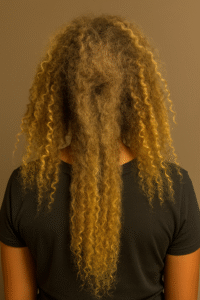
Apple cider vinegar (ACV) has gained attention in hair care for its ability to improve scalp health, add shine, and remove product buildup. Its key active compound, acetic acid, helps restore the scalp’s natural pH balance, especially when disrupted by shampoos and styling products.
Because of its mildly acidic nature, ACV can smooth the hair cuticle, making strands appear shinier and less frizzy. It also contains trace nutrients and has antimicrobial properties that may help reduce dandruff and support a cleaner scalp environment.
When diluted properly, many people report that it leaves their hair feeling lighter, fresher, and more manageable after use. These benefits have made ACV a popular and affordable natural option for those looking to improve hair appearance and scalp health.
Leaving ACV on the hair overnight can intensify these effects, but it also increases the risk of irritation if not done carefully. During extended contact time, the acid has more opportunity to break down residue and buildup on both the scalp and hair strands. This can result in a deeper cleanse, improved softness, and a noticeable reduction in oiliness for some users.
However, dermatologists caution that overnight use is not suitable for everyone, especially those with sensitive skin, damaged scalps, or recent chemical treatments. Overuse or improper dilution can lead to dryness, irritation, or discomfort. Because of this, ACV is generally recommended in diluted form and used intermittently rather than daily.
Ultimately, while apple cider vinegar can be a powerful and affordable natural treatment for improving hair appearance and scalp balance, its benefits depend heavily on moderation, proper preparation, and individual tolerance. Using it responsibly is the key to enjoying its advantages while minimizing potential side effects.