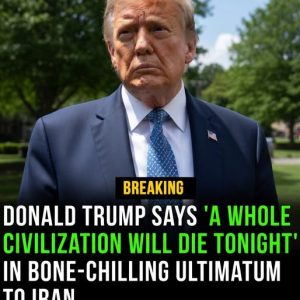
As discussions around global conflict intensify, recent changes to enlistment policies in the United States Army have sparked widespread concern among the public, particularly fears about the potential return of a military draft in the event of a large-scale war. For the first time since the era of the Iraq War, adjustments to enlistment age limits have signaled a shift in how military readiness is being approached, allowing older individuals to volunteer for service. While on the surface this may appear to be a strategic move aimed at increasing flexibility and manpower, it has also revived anxieties tied to past drafts, especially those seen during the Vietnam War and World War II. These fears are further amplified by rising geopolitical tensions, particularly involving the United States and Iran, where ongoing confrontations and aggressive rhetoric have led many to question whether the world could be inching closer to a broader global conflict often referred to as a potential third world war. In this climate of uncertainty, even policy adjustments that are relatively routine can take on outsized significance, fueling speculation about what might happen if conditions were to deteriorate further.
The anxiety surrounding these developments is not just rooted in speculation, but also in historical precedent and the mechanisms that governments have used in times of crisis. In the United States, any potential draft would be administered through the Selective Service System, a federal framework that maintains records of individuals eligible for conscription in case of national emergency. Although there is currently no active draft, the continued existence of this system serves as a reminder that the infrastructure for such a process remains intact. Historically, drafts have been implemented during periods when voluntary enlistment was insufficient to meet military needs, and they have often been accompanied by public debate and, at times, significant social unrest. Importantly, drafts are not random or purely reactive; they are structured processes that include categories for exemptions, deferments, and alternative service roles. These classifications are designed to ensure that the nation’s most critical functions are preserved, even as large numbers of people are mobilized for defense.
One of the most commonly discussed aspects of a potential draft is the idea of “protected” or essential professions, though in reality there is no fixed list that guarantees exemption under all circumstances. Historically, certain occupations have been prioritized for domestic roles rather than combat, particularly those related to healthcare and emergency response. Doctors, nurses, surgeons, paramedics, and other frontline medical professionals are often considered indispensable during times of war, as they provide care not only to injured soldiers but also to civilians affected by conflict. Mental health professionals, pharmacists, and laboratory technicians also play a vital role in maintaining both physical and psychological well-being during crises. However, being in one of these professions does not necessarily mean avoiding service altogether. In many cases, individuals with medical expertise may still be drafted but assigned to medical units or support roles within the military rather than being placed in combat positions, reflecting a broader strategy of using specialized skills where they are most effective.
Beyond healthcare, infrastructure and essential services represent another category of work that may reduce the likelihood of being drafted into frontline combat roles. Individuals working in sectors such as energy production, water supply, sanitation, telecommunications, and transportation are crucial to maintaining stability within the country. Without reliable electricity, clean water, communication networks, and logistical systems, the nation’s ability to function—even away from the battlefield—would be severely compromised. As a result, workers in these industries are often viewed as integral to national security. Nevertheless, the concept of a “skills-based draft” means that even these individuals could be called upon if their expertise is needed within military operations. For example, engineers or communications specialists might be assigned to technical units, while transportation workers could assist with logistics and supply chains. This underscores an important point: modern warfare depends on a vast and interconnected support network, and contributions can take many forms beyond direct combat.
Agriculture, education, and caregiving also play a significant role in maintaining societal resilience during wartime, and individuals in these fields have historically been granted deferments or exemptions under certain conditions. Food production becomes especially critical during prolonged conflicts, as international supply chains may be disrupted and countries must rely more heavily on domestic resources. Farmers and agricultural workers ensure that both civilians and military personnel have access to essential nutrition, making their roles indispensable. Similarly, teachers, childcare providers, and caregivers for the elderly or disabled help sustain social stability and continuity in the face of uncertainty. These roles may not be directly tied to defense or combat, but they contribute to the broader functioning of society, which is essential for any nation’s ability to endure and respond to war. As with other professions, however, deferments are not guaranteed and can depend heavily on the specific needs and priorities of the government at the time.
In an increasingly technology-driven world, the nature of warfare is evolving, and this has significant implications for who might be called to serve. Modern conflicts are likely to involve not only traditional military engagements but also cyber warfare, advanced engineering, and scientific innovation. Professionals working in fields such as cybersecurity, software development, defense engineering, and scientific research may be considered too valuable to deploy in conventional combat roles. Instead, they might contribute from within laboratories, control centers, or strategic operations environments. Historically, individuals involved in what has been termed the “war industry” have often been kept out of direct combat in order to support production, innovation, and technological advancement. Additionally, certain groups—including government officials, clergy members, and conscientious objectors—may receive special consideration, with some being exempt or assigned to non-combat roles depending on their circumstances. Students and individuals with dependents may also qualify for deferments, though these are often temporary and subject to review.
Ultimately, while historical patterns provide some insight into how a future draft might operate, there is no definitive blueprint that guarantees who would or would not be called to serve. Much would depend on the scale, duration, and nature of the conflict, as well as the specific needs of the military and the country as a whole. Policies could evolve rapidly in response to changing circumstances, and categories of exemption or deferment might be expanded, reduced, or redefined accordingly. For now, the situation remains largely speculative, and there is no active draft in place in the United States. However, the continued existence of systems like the Selective Service, combined with shifting geopolitical dynamics, ensures that the topic remains a subject of public interest and debate. In the end, discussions about conscription often reflect broader concerns about global stability, national security, and the human cost of war—issues that resonate far beyond any single policy decision.