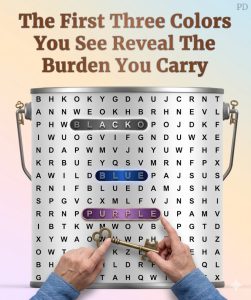
The colors you notice first in any visual scene can offer subtle clues about your emotional state and inner world. While color perception is influenced by many factors—such as lighting, personal preference, and context—psychology suggests that our attention can also be guided by what we are feeling beneath the surface. In this sense, the colors that stand out most to you may reflect thoughts or emotions that are not always fully conscious. Rather than serving as strict diagnoses, these color associations can act as gentle prompts for self-reflection, helping you become more aware of your internal landscape. Paying attention to these patterns encourages a deeper understanding of how emotions influence perception and how perception, in turn, can guide personal growth.
Red is often associated with intensity, both in emotion and energy. It can symbolize passion, urgency, or drive, but it may also point to underlying tension, frustration, or unresolved conflict. If red is the first color that captures your attention, it could indicate that strong emotions are present beneath the surface. These feelings might stem from past experiences, current challenges, or situations where expression has been limited. When such emotions remain unacknowledged, they can build over time, creating stress or strain in relationships and daily life. Channeling this intensity into constructive outlets—such as physical activity, creative work, or honest communication—can help transform raw emotion into productive energy, allowing for release and clarity.
Blue, on the other hand, is commonly linked to calmness and reflection, but it can also signal deeper feelings of sadness, fatigue, or emotional distance. Noticing blue first may suggest a need for rest, connection, or emotional support. People who are drawn to blue in this way might feel overwhelmed by responsibilities or experience a quiet sense of isolation, even when surrounded by others. Recognizing these feelings is an important step toward addressing them. Reaching out to trusted individuals, engaging in meaningful conversations, or simply allowing yourself time to rest can help restore balance. Blue, in this context, becomes less a symbol of heaviness and more an invitation to reconnect with both yourself and others.
Yellow often stands out as a bright and attention-grabbing color, associated with energy, alertness, and thought. However, it can also reflect underlying worry or mental restlessness. If yellow is the first color you notice, it may point to an active mind that is processing uncertainty, decision-making, or self-doubt. This heightened mental activity can sometimes lead to anxiety or difficulty focusing. To counterbalance this, grounding techniques such as mindfulness, deep breathing, or structured problem-solving can be helpful. By slowing down and addressing concerns step by step, the restless energy associated with yellow can be redirected into clarity and forward movement, turning uncertainty into opportunity.
Green is often connected with balance, growth, and renewal. When it is the first color to draw your attention, it may indicate that you are in a phase of healing or seeking harmony in your life. This could involve working through past experiences, adjusting to change, or striving for emotional stability. Green reflects a desire for equilibrium, suggesting that you are open to growth and self-improvement. Nurturing this process requires patience and self-compassion, as meaningful change rarely happens instantly. Activities such as reflection, time in nature, or personal development practices can support this journey, helping you cultivate resilience and a stronger sense of inner peace.
Ultimately, the colors you notice first are not fixed indicators but rather starting points for self-awareness. They offer a lens through which you can explore your thoughts and emotions, encouraging curiosity rather than judgment. By paying attention to these subtle signals, you create opportunities to better understand your needs and respond to them with intention. Whether the color reflects intensity, fatigue, uncertainty, or growth, each insight can guide you toward healthier habits and a more balanced perspective. In this way, something as simple as noticing a color becomes a meaningful tool for reflection, helping you navigate your emotional world with greater clarity and care.