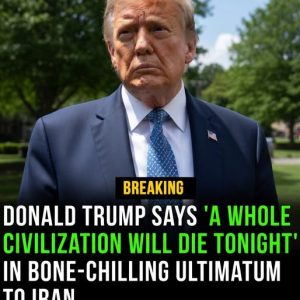
As global tensions have risen over the ongoing 2026 Iran war and the crisis in the Strait of Hormuz, the repercussions are extending far beyond the narrow shipping lane itself. The Strait of Hormuz remains one of the world’s most strategically important energy corridors, with roughly 20 % of global crude oil passing through it by sea. Recent disruptions have contributed to crude oil prices topping $100 per barrel, amplifying concerns about energy markets, inflation, and economic instability in nations already grappling with fragile economies. Instability in this region doesn’t stay localized; it reverberates through global supply chains and everyday costs for transportation, goods, and services.
The strait connects the Persian Gulf to international markets, meaning even the perception of danger can disrupt trade. Reports indicate that Iran’s military actions and transmissions have effectively discouraged many ships from transiting the area, even without a formal legal closure. Merchant vessels and tankers have increasingly hesitated to enter the strait, waiting for clearer security conditions. This uncertainty has driven insurance costs for transits sharply higher and caused significant congestion near ports at either end. The cumulative effect is upward pressure on oil prices and fear of broader supply shortages.
Complicating the situation are military maneuvers, mine placements, and warnings directed at U.S. and allied shipping, which have transformed what was once a reliable commercial artery into a tense military flashpoint. According to tracking data and industry reports, at least several hundred vessels have delayed or diverted their routes to avoid the risk. In such an environment, even unintentional incidents — collisions, miscommunication, or minor engagements — could escalate into wider conflict, further disrupting energy flows and international trade.
The political dimension has drawn significant attention. U.S. President Donald Trump has publicly pressed for greater international involvement in reopening and securing the Strait of Hormuz. In interviews and statements reported by multiple news agencies, he warned that NATO“could face a very bad future” if allies do not assist in protecting the strait and ensuring freedom of navigation. Trump also directed appeals to nations like China, highlighting how heavily dependent major powers — including Beijing, which imports a significant share of its oil through the strait — are on its continued operation.
Trump’s message to Western allies specifically referenced the need for shared responsibility in safeguarding global shipping routes, arguing that countries benefiting from oil flows should take part in securing them. He went as far as suggesting that scheduled diplomatic engagements, including a potential summit with China’s President Xi Jinping, could be affected by Beijing’s stance on helping to stabilize the region. However, reactions from European nations and other partners have been cautious or resistant, with some leaders stating that the conflict does not constitute a NATO mission and that they will instead pursue diplomatic or defensive responses.
Amid these diplomatic maneuvers, satellite imagery and reporting emphasize that discussion of possible military strikes on Iran’s energy infrastructure — including past raids on strategic locations like Kharg Island — has elevated fears that the crisis could shift from brinksmanship to direct confrontation. If military action against Iran’s oil export capabilities were to occur, the effects would be profound, touching not only fuel prices but also diplomatic ties, global security architectures, and the economic stability of countries far from the Persian Gulf. The situation remains fluid, with ongoing debate over whether diplomatic engagement or coordinated security efforts can prevent broader escalation.