Recent developments in global geopolitics have drawn intense international scrutiny after Dmitry Medvedev, deputy chairman of Russia’s Security Council and a longtime ally of President Vladimir Putin, issued a stark warning that rising tensions could trigger a much larger international crisis. Medvedev, speaking through Russian state media outlets and state‑aligned news agencies, has repeatedly cautioned that continuing U.S. military pressure and “regime‑change” policies — particularly those involving Iran — could escalate uncontrollably and lead to a global conflict akin to World War III. His comments represent some of the strongest language yet from a Russian government figure, reflecting deep concern in Moscow about the unfolding situation and what it perceives as destabilizing actions by the United States and its allies.
In the past week, the United States and Israel launched a series of coordinated military strikes on Iran, targeting missile facilities, military infrastructure, and sites associated with the country’s leadership. These attacks, described by U.S. and Israeli officials as efforts to prevent Iran from advancing nuclear capabilities and to reduce ongoing regional threats, have dramatically intensified tensions in the Middle East. Iran has responded with retaliatory missile and drone strikes against Israeli territory and U.S. military positions in the region. The strikes have extended beyond individual targets to hit strategic centers in Tehran and other cities, suggesting a sustained military campaign rather than isolated skirmishes.
One of the most consequential developments from these strikes was the confirmation by Iranian state media that Supreme Leader Ayatollah Ali Khamenei was killed during the initial wave of U.S.‑Israeli attacks, marking an unprecedented shift in the conflict’s dynamics. Both Iranian state sources and foreign news organizations report that his death has been officially acknowledged, triggering a period of national mourning in Iran and setting off immediate power transition efforts in the country’s leadership. This event has further inflamed regional tensions, with Iran’s government and allied militias vowing continued resistance and Western leaders warning of unpredictable consequences.
Despite the dramatic rhetoric from Medvedev and other critics of U.S. policy, many geopolitical analysts emphasize that direct Russian military involvement in the Middle East remains unlikely at this stage. Russia is already heavily engaged in the ongoing war in Ukraine, where its military and economic resources are significantly committed. Experts note that while Moscow may leverage diplomatic statements and strategic warnings — including warnings about nuclear proliferation and broader conflict risks — it has limited incentive to open a separate major front against the United States or NATO in the Middle East. Instead, Russia appears more focused on undermining Western narratives, preserving its influence with Iran and other regional partners, and positioning itself as an advocate for a negotiated resolution.
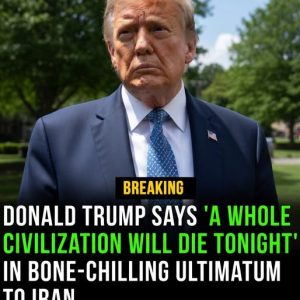
International leaders and governments around the world have been urging caution and diplomacy to prevent the situation from spiraling further. While President Trump has publicly acknowledged that the conflict could last several weeks, he has defended the strikes as part of a broader effort to dismantle perceived threats from Iran’s regime. European and Middle Eastern nations have expressed concern about the broader implications for regional stability and global security, and calls for urgent diplomatic engagement have come from capitals across Asia, Africa, and Latin America. These calls often stress the importance of avoiding unintended escalation and safeguarding civilian lives amid ongoing hostilities.
The conflict has also rippled through global markets and security strategies, particularly in energy and defense sectors. Concerns about potential disruptions to oil supplies — especially through strategic chokepoints like the Strait of Hormuz — have contributed to rising energy prices and heightened nervousness among investors worldwide. Many world leaders and economic experts have warned that prolonged instability in the Middle East could have far‑reaching economic consequences, from rising fuel costs to volatility in financial markets. Against this backdrop, nations are balancing immediate security responses with efforts to engage in diplomatic dialogue, emphasizing cooperation to avoid a broader conflagration that could draw in multiple major powers.