A widely shared TikTok video from medical content creator Dr. Boogie has sparked renewed debate about the health effects of daily cannabis use, offering a detailed breakdown of how smoking marijuana regularly may impact the brain, lungs, and heart. While public attitudes toward cannabis have shifted dramatically over the past decade — especially as legalization expands across various regions — health professionals continue to stress that “natural” does not automatically mean harmless. The video aims to move beyond cultural perceptions and focus instead on biology, explaining what happens inside the body when cannabis smoke is inhaled day after day. Though many people compare marijuana to tobacco and assume it is the lesser of two evils, experts note that inhaling any combusted plant material carries physiological consequences, particularly with long-term, heavy use.
The primary psychoactive compound in cannabis is tetrahydrocannabinol, commonly known as THC. This chemical is responsible for the euphoric “high” associated with marijuana. After inhalation, THC rapidly enters the bloodstream through the lungs and travels to the brain within minutes. Once there, it binds to cannabinoid receptors — particularly CB1 receptors — which are heavily concentrated in areas responsible for memory, decision-making, coordination, and emotional regulation. This binding process triggers dopamine release, creating feelings of pleasure, relaxation, and altered perception. In occasional users, these effects are typically temporary. However, daily exposure leads the brain to adapt. Over time, receptors become less responsive, meaning users need larger amounts of cannabis to achieve the same psychological effect. This phenomenon, known as tolerance, is one of the early signs of physiological dependence.
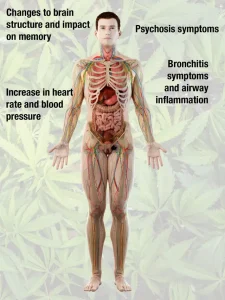
As tolerance builds, the brain undergoes subtle but measurable changes. Research suggests that chronic, heavy cannabis use — especially when it begins in adolescence — may alter neural pathways involved in learning and executive functioning. Brain imaging studies have found reduced gray matter volume in certain regions tied to memory formation and impulse control among long-term users. While the extent and permanence of these changes vary, younger individuals appear particularly vulnerable because the brain continues developing until approximately age 25. Repeated THC exposure during this critical developmental window may disrupt synaptic pruning and neural connectivity. Some users also report decreased motivation, difficulty concentrating, and slower information processing over time. Although many cognitive effects improve after quitting, experts caution that early, sustained use may have more lasting consequences.
Mental health is another area of concern highlighted in the video. While cannabis can initially reduce stress or anxiety for some users, frequent use has been linked to an increased risk of anxiety disorders, depressive symptoms, and cannabis use disorder. In individuals genetically predisposed to psychiatric conditions, high-THC products may elevate the risk of psychotic symptoms such as paranoia or hallucinations. This risk appears dose-dependent and is higher with potent modern cannabis strains. After the initial dopamine surge fades, some daily users report experiencing irritability, low mood, or emotional blunting between uses — reinforcing a cycle of repeated consumption to regain temporary relief. Though cannabis does not affect everyone identically, mental health professionals emphasize the importance of monitoring patterns of use, especially when cannabis becomes a coping mechanism rather than an occasional recreational choice.
The lungs are also directly affected by regular smoking. Cannabis smoke contains many of the same irritants, toxins, and carcinogens found in tobacco smoke, even if the long-term cancer risk profile differs. Repeated inhalation can inflame the airways and damage the protective lining of the respiratory tract. Chronic users may develop persistent cough, increased mucus production, wheezing, or bronchitis-like symptoms. Heavy exposure can lead to airway inflammation comparable to that seen in tobacco smokers. Additionally, cannabis temporarily increases heart rate and may elevate blood pressure shortly after use. For individuals with underlying cardiovascular conditions, this spike can place added strain on the heart. Some observational studies suggest a potential association between heavy marijuana use and increased risk of heart attack or stroke, though researchers continue to examine the strength and mechanisms of these links. As with many substances, frequency and quantity significantly influence risk levels.
Despite these concerns, health experts emphasize that many negative effects improve after quitting. The body has a remarkable capacity for recovery once exposure stops. Lung irritation typically decreases over time, and respiratory symptoms may gradually resolve. Cognitive function often rebounds, particularly in adults who began using after brain development was complete. However, stopping daily cannabis use can involve temporary withdrawal symptoms. These may include irritability, anxiety, sleep disturbances, reduced appetite, headaches, chills, sweating, and strong cravings. Symptoms usually begin within a few days of cessation and peak during the first week, with most resolving within two to four weeks. Strategies for quitting can include removing cannabis products from one’s environment, changing routines associated with use, adopting new hobbies, setting clear goals, and seeking social or professional support. For individuals who struggle with dependence or co-occurring mental health conditions, consulting a healthcare provider can significantly improve success rates. Ultimately, while cannabis affects people differently based on genetics, age, dosage, and frequency, understanding the biological impact of daily smoking empowers individuals to make informed decisions about their long-term health.