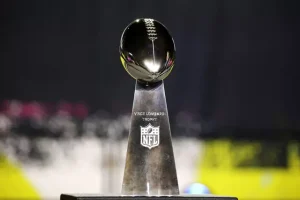
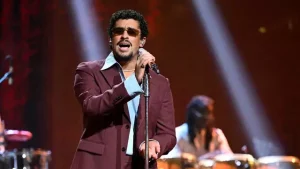
Turning Point USA is preparing to stage what it describes as an “All-American Halftime Show,” an alternative performance designed to rival this year’s official Super Bowl Halftime Show. The event is scheduled to take place on the night of the NFL’s biggest game, February 8, when millions of viewers around the world will tune in to watch the New England Patriots face off against the Seattle Seahawks. As with every Super Bowl, the halftime spectacle is expected to draw enormous attention, featuring a lineup of globally recognized artists. This year’s official show includes performances by Green Day, Charlie Puth, Brandi Carlile, Coco Jones, and headliner Bad Bunny. However, the announcement of Bad Bunny as the central act sparked immediate controversy in some conservative circles, setting the stage for a cultural and political clash that has now spilled beyond the football field. Turning Point USA’s response reflects a broader debate about representation, politics, and identity in American pop culture, turning what is usually a unifying entertainment moment into a parallel event shaped by ideological division.
Turning Point USA, a conservative organization founded by the late Charlie Kirk, announced plans for the All-American Halftime Show last year after facing backlash from Republicans unhappy with Bad Bunny’s selection as headliner. Critics accused the Puerto Rican artist of being anti-Trump and took issue with his frequent use of Spanish in his music, arguing that the Super Bowl should showcase what they view as more traditionally “American” performers. The organization framed its alternative show as a celebration of “faith, family, and freedom,” positioning it as counter-programming for viewers who feel alienated by the NFL’s choice. To gauge interest, Turning Point USA shared a website where users could answer questions about the event, including which music genres they preferred. The options were telling, emphasizing “Anything in English,” Americana, classic rock, country, pop, hip-hop, and worship music. This framing made clear that the All-American Halftime Show was intended not just as entertainment, but as a cultural statement, signaling values that its organizers believe are underrepresented in mainstream events like the Super Bowl.
Bad Bunny, whose real name is Benito Antonio Martínez Ocasio, has never shied away from expressing his political views, particularly when it comes to immigration and former President Donald Trump. According to reports, his criticism of Trump has been a central reason for conservative backlash. Last year, Bad Bunny released a song titled “Nuevayol,” which featured an imitation of Trump’s voice apologizing to immigrants and acknowledging their contributions to the United States. The lyrics referenced Mexicans, Dominicans, Puerto Ricans, Colombians, Venezuelans, and Cubans, emphasizing the idea that America is built by immigrants. For supporters, the song was a powerful statement of inclusion and cultural pride. For critics, it was further proof that Bad Bunny uses his platform to advance political messages they oppose. These tensions intensified following his historic win at the Grammy Awards, where his album Debí Tirar Más Fotos became the first Spanish-language Album of the Year. In his acceptance speech, Bad Bunny dedicated the award to people who left their homelands to pursue their dreams, and to those who have endured loss while continuing forward with strength. His words resonated deeply with Latino audiences worldwide, while further cementing his role as a cultural figure whose influence extends beyond music.
Against this backdrop, Turning Point USA confirmed that artists performing at its All-American Halftime Show will include Kid Rock, Brantley Gilbert, Lee Brice, and Gabby Barrett. Each of these performers has strong ties to country or rock music and has been embraced by conservative audiences. Kid Rock, in particular, has been an outspoken political figure in recent years, frequently aligning himself with conservative causes and rhetoric. While details about the exact location of the event have not been publicly disclosed, it is expected to occur around the same time as the official halftime show. The alternative performance will be broadcast across multiple platforms, including Charge!, DailyWire+, TBN, Real America’s Voice, and Turning Point USA’s social media channels. By leveraging a wide distribution network, organizers hope to capture a significant audience during halftime, effectively offering viewers a choice between two competing visions of American culture playing out simultaneously on Super Bowl night.
Former President Donald Trump has also weighed in on the controversy, confirming that he will not attend the Super Bowl this year. In comments reported by the New York Post, Trump criticized the choice of halftime performers, describing it as divisive and harmful. He said he was “anti-them” and claimed the lineup would only “sow hatred.” Trump added that distance was another factor in his decision not to attend, suggesting he might have gone if the event were closer. His remarks further politicized the halftime show debate, reinforcing the perception that entertainment, sports, and politics have become increasingly intertwined. At the same time, Trump’s comments stood in contrast to the NFL’s longstanding approach to halftime performances, which traditionally focus on maximizing global appeal rather than aligning with any particular political ideology. The league has not responded directly to the alternative event, instead maintaining its focus on delivering a halftime show designed to attract a broad, international audience.
Adding another layer to the discussion is the longstanding fact that Super Bowl halftime performers, including Bad Bunny, are not paid for their appearances. Despite performing in front of more than 68,000 fans in the stadium and an estimated 130 million viewers worldwide, artists receive no performance fee, with the NFL covering only production costs. For many musicians, the exposure alone is considered invaluable, often leading to massive spikes in streaming numbers and album sales. Bad Bunny himself has framed the opportunity as a tribute to his culture and those who paved the way before him, likening his performance to scoring a touchdown for his community. As Super Bowl Sunday approaches, the contrast between the official halftime show and Turning Point USA’s alternative event underscores a broader cultural divide. What was once a singular, shared spectacle has now become a split-screen moment, reflecting competing ideas about identity, representation, and what it means to be “All-American” in a rapidly changing society.