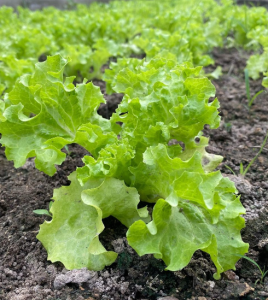
Many people naturally eat fewer vegetables during the colder months. As temperatures drop, appetites shift toward warm, heavy, and comforting foods—soups, breads, stews, and rich dishes that feel emotionally satisfying in winter. Salads and raw vegetables often get pushed aside, seen as “summer foods” that no longer fit the season. Yet this instinct, while understandable, overlooks something important: winter is precisely when the body benefits most from foods that are hydrating, nutrient-dense, and gentle on digestion. Cold air, indoor heating, reduced sunlight, and lower activity levels all place additional stress on the body. Skin becomes drier, digestion slows, and immune defenses are challenged. In this context, lettuce—simple, light, and often underestimated—deserves renewed attention. Rather than being nutritionally empty, lettuce provides water, vitamins, minerals, and protective compounds that quietly support the body during the most demanding season of the year.
One of lettuce’s greatest strengths lies in its impressive nutrient-to-calorie ratio. While it is extremely low in calories, it is rich in essential vitamins that play key roles in skin health, immunity, and overall vitality. Lettuce contains vitamin A in the form of beta-carotene, which supports healthy vision and skin renewal, along with vitamin C, an antioxidant involved in collagen production and immune defense. Vitamin K, often overlooked, is abundant in lettuce and is essential for proper blood clotting and long-term bone health—particularly important for women as they age. Folate, another key nutrient found in lettuce, supports cell repair and healthy metabolism. Because a full cup of lettuce contains only a few dozen calories, it can be eaten generously without contributing to weight gain. For people who want to maintain a slim figure while nourishing their skin from within, lettuce offers a rare combination: light on calories, rich in benefits, and easy to incorporate into everyday meals.
Another major advantage of lettuce, especially in winter, is its exceptionally high water content. Composed of approximately 95 to 96 percent water, lettuce acts as a natural hydrator at a time when many people unknowingly become mildly dehydrated. Cold weather often reduces thirst, and indoor heating systems dry out the air, leading to dry skin, fatigue, headaches, and sluggish digestion. Drinking enough water helps, but water-rich foods like lettuce provide hydration in a gentler, more sustained way. For women who spend long hours in heated offices or air-conditioned environments, this hydration can make a visible difference in skin texture and comfort. Additionally, foods with high water content create a feeling of fullness without heaviness, helping people eat smaller portions while still feeling satisfied. Lettuce supports a sense of lightness that is often missing during winter months when meals tend to be dense and rich.
Beyond hydration and vitamins, lettuce also contains natural antioxidants that contribute to long-term health. Both green and purple varieties offer compounds such as beta-carotene, lutein, and vitamin C, which help reduce oxidative stress in the body. Oxidative stress is a natural process linked to aging, inflammation, and chronic disease, and it tends to increase during winter due to reduced sunlight, lower physical activity, and dietary changes. Regular intake of antioxidant-rich foods helps protect cells from damage and supports cardiovascular health by promoting healthier blood vessels. While lettuce is not a miracle food, its consistent inclusion in meals provides gentle, cumulative benefits. Over time, these small contributions can support skin elasticity, heart health, and overall resilience. In this way, lettuce works quietly in the background, reinforcing the body’s defenses day after day without drawing much attention to itself.
Bone health is another area where lettuce plays a meaningful role, largely due to its vitamin K content. Vitamin K supports the body’s natural blood clotting process and works in partnership with calcium and vitamin D to maintain strong bones. This is especially relevant for women over the age of 40, when bone density naturally begins to decline. While dairy products and supplements often receive the spotlight in conversations about bone health, leafy greens like lettuce provide an important plant-based contribution. Including lettuce regularly in the diet helps ensure a steady intake of vitamin K, supporting long-term skeletal health in a natural, food-based way. Combined with other nutrient-rich foods and an active lifestyle, lettuce becomes part of a broader strategy for aging gracefully and maintaining strength and mobility well into later years.
When it comes to weight control, particularly stubborn belly fat, lettuce can be an effective and sustainable ally. Its low calorie content, high water percentage, and fiber work together to promote fullness and reduce overeating. Eating lettuce at the beginning of a meal can naturally curb appetite, making it easier to reduce portions of refined carbohydrates and fats without feeling deprived. This approach supports more stable blood sugar levels and reduces the likelihood of excess calorie intake. However, in winter, some people experience digestive discomfort when eating raw vegetables. To avoid this, lettuce can be paired thoughtfully with warming and nourishing ingredients. Adding olive oil improves nutrient absorption, while ginger, black pepper, or lemon can support digestion and warmth. Combining lettuce with protein sources such as boiled eggs, salmon, or chickpeas creates a balanced, satisfying meal. For enhanced skin and anti-inflammatory benefits, pairing lettuce with omega-3 fatty acids—from fatty fish or supplements—can further support heart health, brain function, and skin resilience. Rather than being avoided in winter, lettuce can be adapted to the season and enjoyed as a gentle, nourishing staple that supports both beauty and well-being from the inside out.